Most businesses cannot design, document, price and build a full commercial fitout in the few weeks before the financial year closes, and most do not need to. What can realistically happen before 30 June is a proper review of the space: what is no longer working, what can be retained, whether a test fit shows the current tenancy still suits the team, and which targeted upgrades (furniture, lighting, acoustics, joinery or front of house) are worth doing now. A broader refurbishment can be planned and priced before EOFY and built after it.
That distinction matters because the end of the financial year tends to produce rushed decisions. We often get the same call in April or May: there is budget left, the office has been bothering everyone for a while, and could something be done before June. Sometimes the answer is yes. Often the more useful answer is to spend the time working out what the space actually needs, so the money goes into the right thing rather than the fastest thing.
What can realistically be reviewed before EOFY?
If you start in the months leading up to June, these are usually achievable:
- a review of the existing space against how the business works now
- a test fit or layout options for the current tenancy, or for a tenancy you are considering
- a list of what should be retained, reused or replaced
- furniture, lighting and acoustic upgrades that do not need building approval or significant construction
- a concept direction and design intent for a larger refurbishment, ready for builder pricing in the new financial year
What is usually not realistic is a new fitout with partition changes, services work, joinery and a building permit, unless the planning was already well underway. Programmes depend on the tenancy, the landlord's requirements, the builder's availability and lead times on furniture and materials, so we would always confirm them against the specific project rather than promise a date in advance.
Before 30 June
Usually achievable
- Review of the existing space
- Test fit or layout options
- Furniture, lighting and acoustic upgrades
Plan now, build later
Resolved before June, priced in July
- Concept direction
- Design intent documentation
- Builder pricing
Longer programme
Needs approvals and a builder
- New rooms and partitions
- Services and ceiling changes
- A relocation
Start with what is no longer working
Before anyone talks about finishes, we want to know what the space is getting wrong. The answers are usually specific:
- there are not enough meeting rooms, or the ones that exist are the wrong size
- calls and video meetings are being taken at desks because there is nowhere else to go
- the team has grown and storage, lockers or staff areas have not kept up
- clients arrive into a reception that does not reflect the business
- the kitchen or breakout is too small, so people eat at their desks
- one part of the office is noisy because circulation runs straight through the team
Each of those problems has a different fix. Some are planning problems, some are furniture problems and some are acoustic problems. Spending money before you know which is which is how businesses end up with new chairs in an office whose real issue was meeting rooms.
Layout and test-fit decisions
If the problem is how the space is planned, a test fit is usually the quickest way to see the options. It tests the brief against the actual tenancy: headcount, meeting rooms, focus space, storage, staff amenities and circulation, drawn to scale over the existing plan.
A test fit is also the right first step if the business is weighing up a move. Testing the brief against a new tenancy before signing a lease can show whether it genuinely fits, or whether the business would be paying for space it cannot use well. We cover that in more detail in what to test before signing a commercial lease.
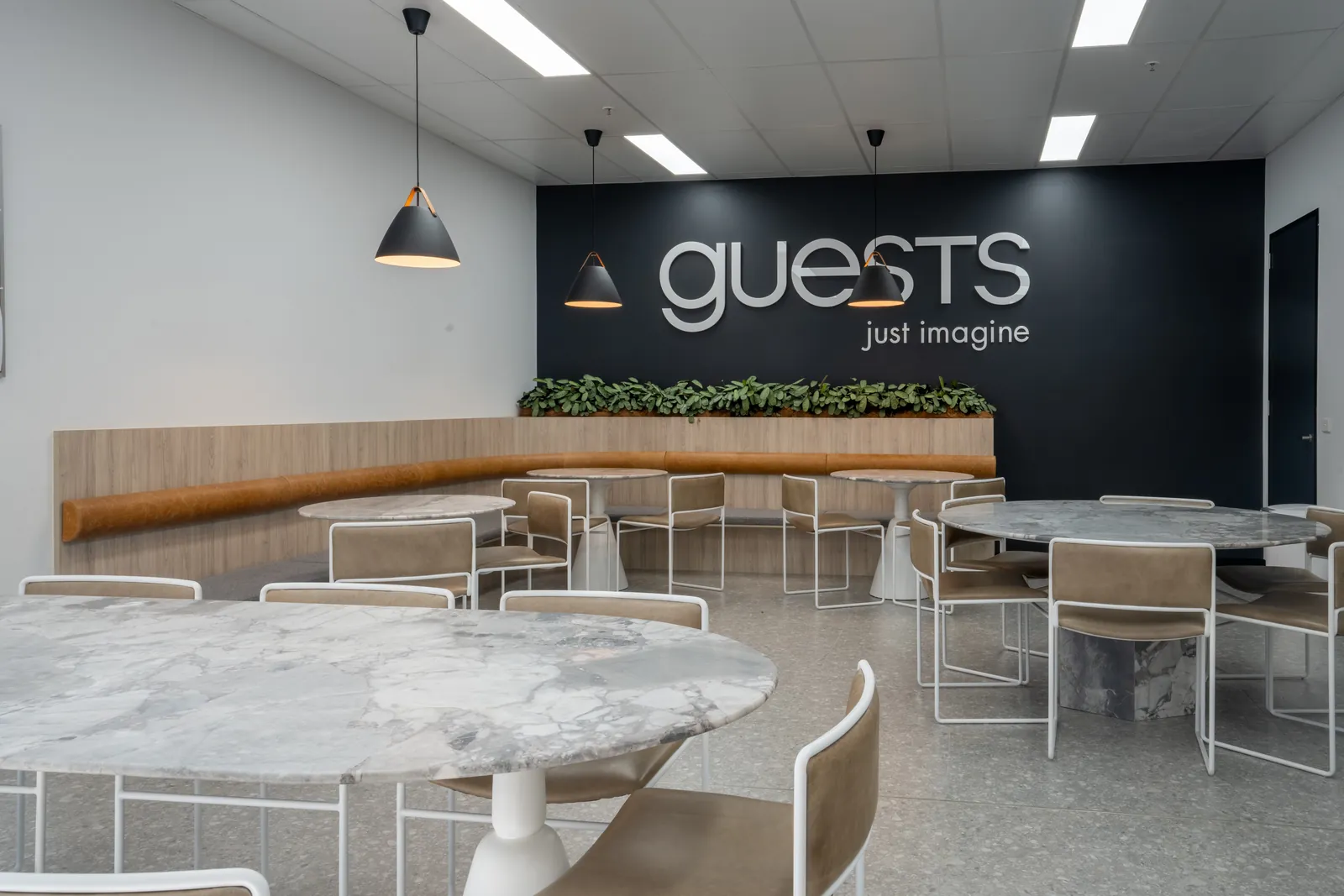
On Guest Group's head office in Keysborough, a project I designed in a previous role before FORJ was established, the planning decision that mattered most was putting tea points, breakout areas and shared kitchens on both levels, so no team was a floor away from them. That is the kind of decision a test fit resolves before anyone selects a single finish.
What can often be retained
Most existing fitouts have more value in them than people expect. Before replacing anything, we look at:
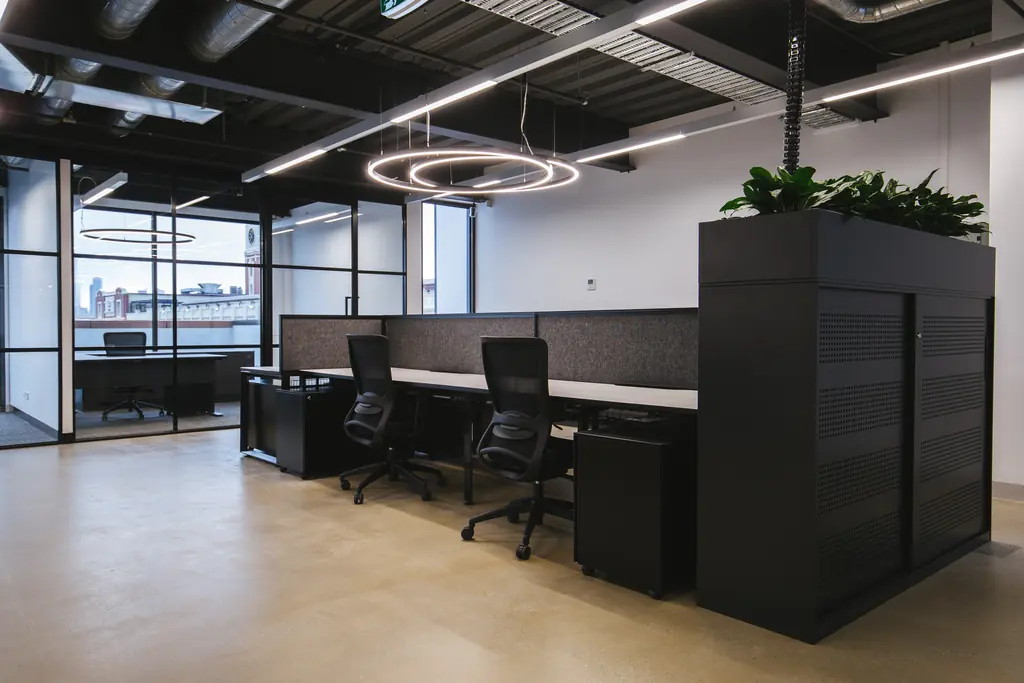
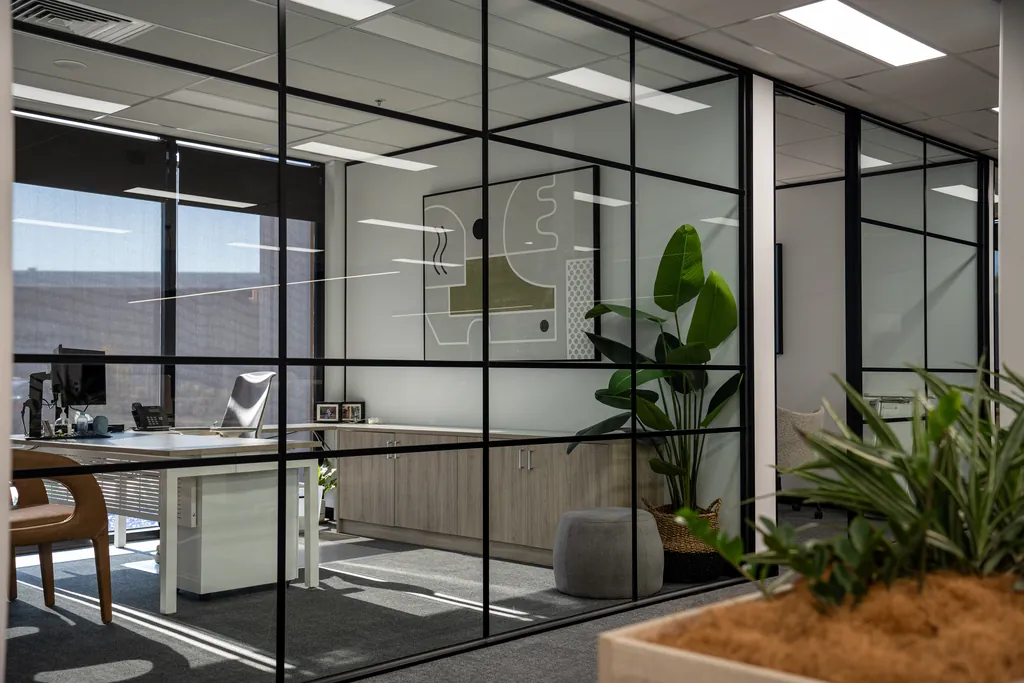
- partitions and glazed offices that are in the right place, even if the finishes are tired
- ceilings and lighting grids that can stay while specific areas are relit
- kitchens and amenities whose layout works, where new joinery fronts or benchtops would do
- furniture that can be reused, reupholstered or moved to a different area
- floor finishes that only need replacing in high-traffic zones
Retaining what works keeps the cost and disruption down, and it usually shortens the programme because less of the work needs a builder. It is also the direction the wider market is moving. JLL's 2026 fit-out cost guide for Australia and New Zealand reports that many occupiers are avoiding the cost and disruption of major new fit-outs, with fit-out costs up between 3.5 and 6 per cent year on year depending on the state.
Furniture, lighting and acoustic upgrades
These are the upgrades most likely to be achievable before 30 June, and they can make a real difference when they are aimed at the right problem.
Furniture. If the layout works but the workstations, meeting tables or breakout furniture do not, a furniture plan and schedule can be resolved quickly. The trap is buying in a hurry. Lead times vary widely, and furniture that is chosen without a plan often arrives the wrong size for the room. We would rather plan it properly and order the pieces that matter than fill the office with whatever is in stock. Our Furniture and FF&E work covers that planning, selection and scheduling.
Lighting. Glare at desks, dark meeting rooms and flat, even lighting across an entire floor are common complaints. Some lighting changes are simple fitting swaps; others involve the ceiling and electrical work, which needs the appropriate licensed trades.
Acoustics. If people are taking calls at their desks, the issue is usually a lack of enclosed rooms and absorption, not the people. Acoustic panels, ceiling treatments, phone rooms and soft furnishings can help, but they work best when they are placed where the noise is actually coming from.
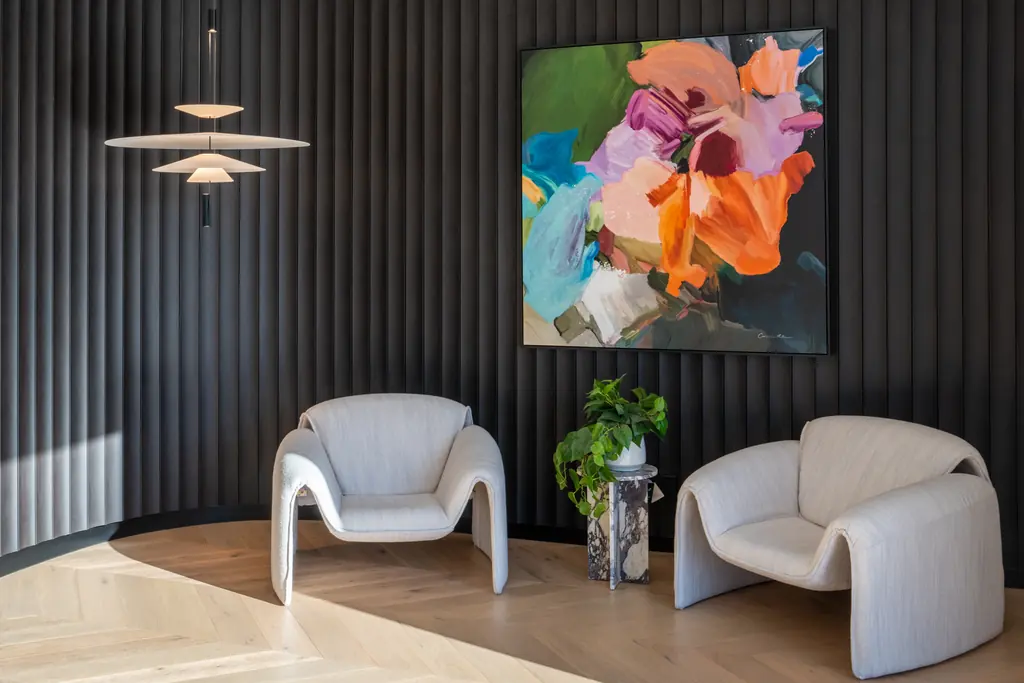
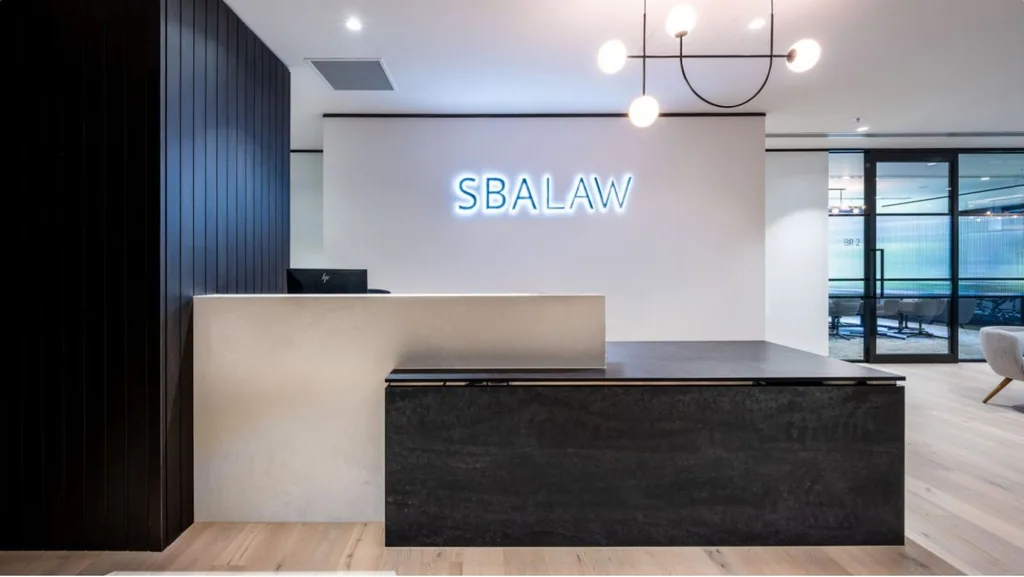
Front of house. Reception and client-facing rooms are where a small, well-documented upgrade can change how a business is seen. A new counter, lighting and a few strong materials can do more than a light refresh of the entire floor.
When a broader refurbishment needs more time
If the review shows the business needs new rooms, moved walls, upgraded services or a different tenancy, the work needs a realistic programme. The design has to be developed, documented and priced, the landlord usually needs to approve it, and any building permit or consultant input has to be organised. In Victoria, a building surveyor assesses and approves building permit applications and inspects the work, as the Building and Plumbing Commission explains.
In that situation, EOFY is still a useful trigger. Using the time before June to resolve the brief, the test fit and the concept means the project is ready for builder pricing as the new financial year starts, rather than beginning from scratch in July. Our article on how a commercial Interior Design project moves from brief to builder pricing walks through those stages.
Builder pricing and documentation
FORJ does not build fitouts. We prepare the design and the design intent documentation, and your builder prices and builds the work. Where engineering, services, fire or building surveying input is needed, those consultants are engaged for the project and confirm their own requirements.
That separation is useful at this time of year, because it lets you get comparable builder prices against a clear set of drawings and schedules, rather than asking a builder to price an idea. If you already have a builder you trust, we can work with them from the start.
A note on tax
The timing of an upgrade can have tax implications, but that is a question for your accountant, not your Interior Designer, and FORJ does not give tax advice. For reference, the ATO has confirmed that small businesses with an aggregated turnover under $10 million can instantly write off eligible depreciating assets costing less than $20,000 each, as a permanent measure from 1 July 2026, with the asset first used or installed ready for use in the income year. Which items qualify, and how fitout works are treated, depends on your circumstances. The ATO's page on the $20,000 instant asset write-off is the place to start that conversation.
What to send FORJ if you're considering an upgrade
The most useful starting point is simple:
- the current floor plan, or the address and tenancy details
- a short description of what is not working
- headcount now and what you expect in the next few years
- anything you already know you want to keep
- your timing, including whether anything genuinely needs to happen before 30 June
From there we can tell you what is realistic before EOFY, what would be better planned now and built later, and whether a test fit or a commercial Interior Design engagement is the right first step.
Planning a commercial upgrade? Send us the current plan, address or a short brief and we can tell you what would be useful to resolve first.
Sources
- Australian Taxation Office, $20,000 instant asset write-off. Checked .
- JLL, Australia and New Zealand Fit-Out Cost Guide 2026. Checked .
- Building and Plumbing Commission (Victoria), What is building surveyor work?. Checked .